Digital reverberation unit, Model MT-78, v1.0.0

Mantissa

Free digital reverb for macOS and Windows


Mantissa is modelled on a studio reverb from 1978. It reconstructs the original's eight reverb programs and its Chorus, with their defaults and ranges, and runs them at 20.48 kHz through 12-bit converters that pick a new gain for every sample. With Stepped on, the decay and filter faders move in the original's 31 steps. Switch to the 1984 era for a brighter top, or take the converters out with Clean. It comes with 56 factory presets.

VST3, AU, CLAP and a standalone app on macOS. VST3, CLAP and standalone on Windows. Free.
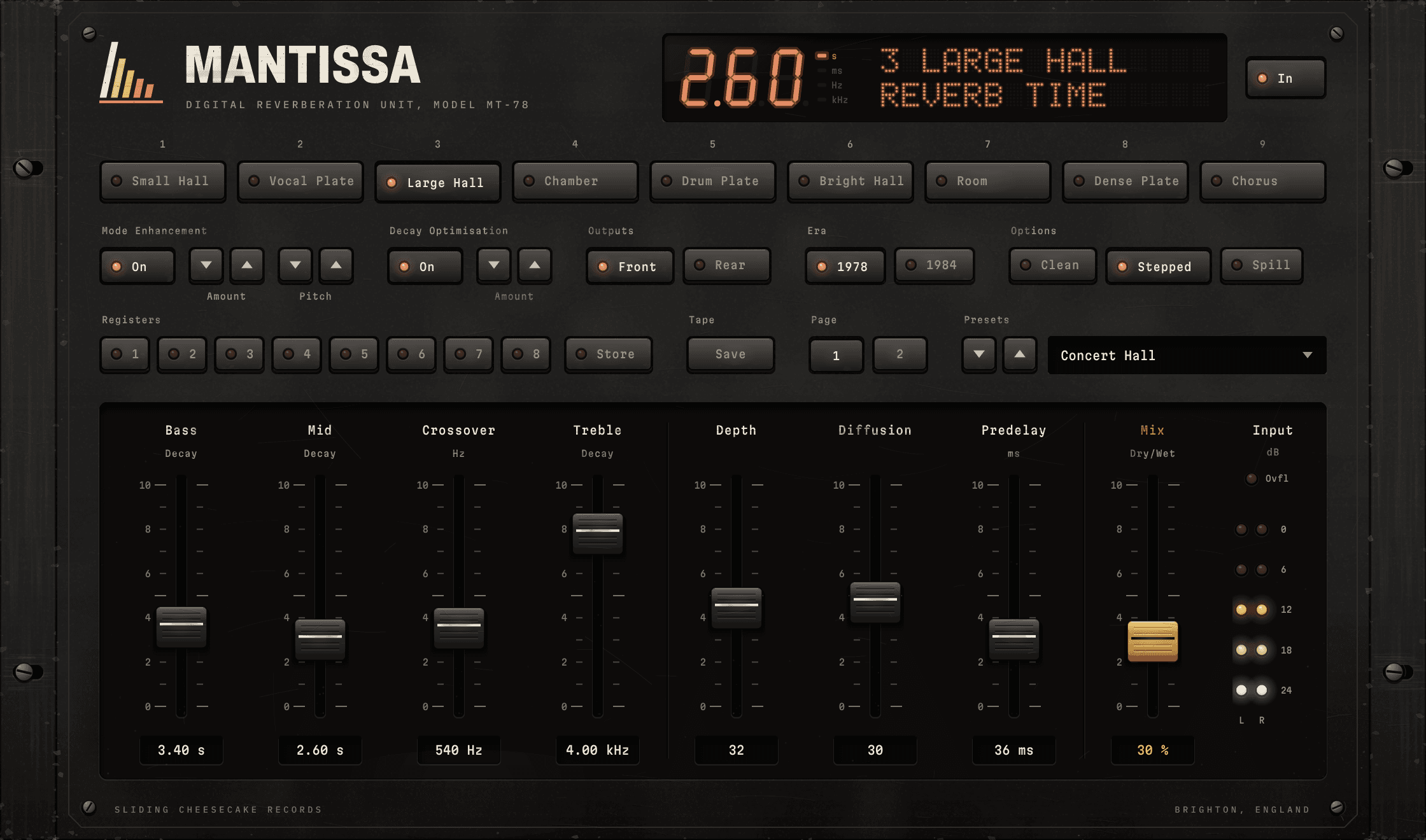
The Mantissa panel: an LED display, nine program keys, mode and register rows, and a bay of long-throw faders
Fig. 01 The Concert Hall preset: Large Hall at 2.6 s, with 36 ms of predelay, in the 1978 era.

ListenDry and wet, same take, rendered through the plugin

Drums, 120 BPM

Preset

Snare Plate

Drum Plate at 1.5 s with 10 ms of predelay, 25 % Mix.

Vocal

Preset

Lead Vocal Plate

Vocal Plate at 2 s, with 60 ms of predelay to keep the words clear.

Electric piano

Preset

Piano Hall

Small Hall at 2.2 s, Treble Decay 4.8 kHz.

Clean guitar, 120 BPM

Preset

Guitar Room

Room at 1.3 s, Depth 15.

String synth

Preset

String Section

Large Hall at 3 s, 48 ms of predelay.

Polysynth through the Chorus program

Preset

Chorus Ensemble

The program's defaults, 40 % Mix.

ProgramsNine, in the original's order

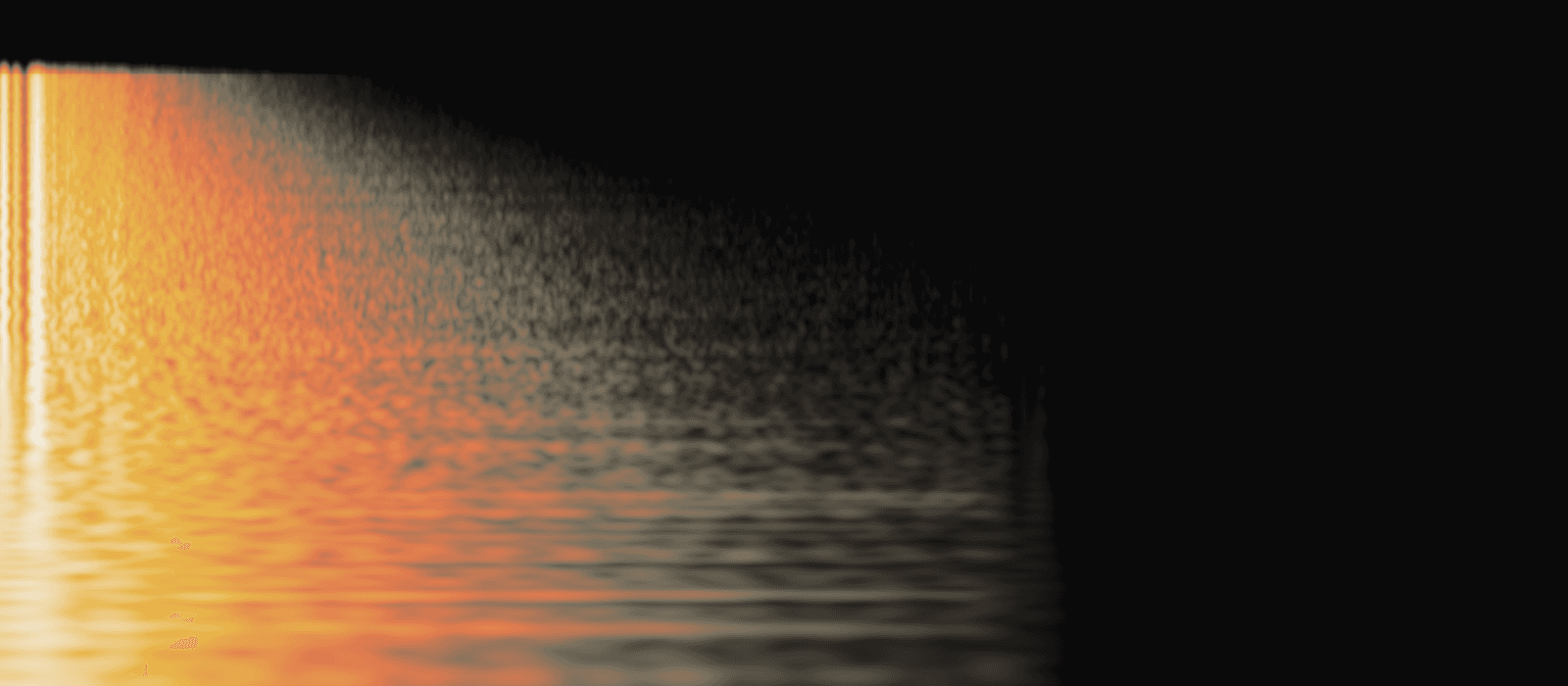
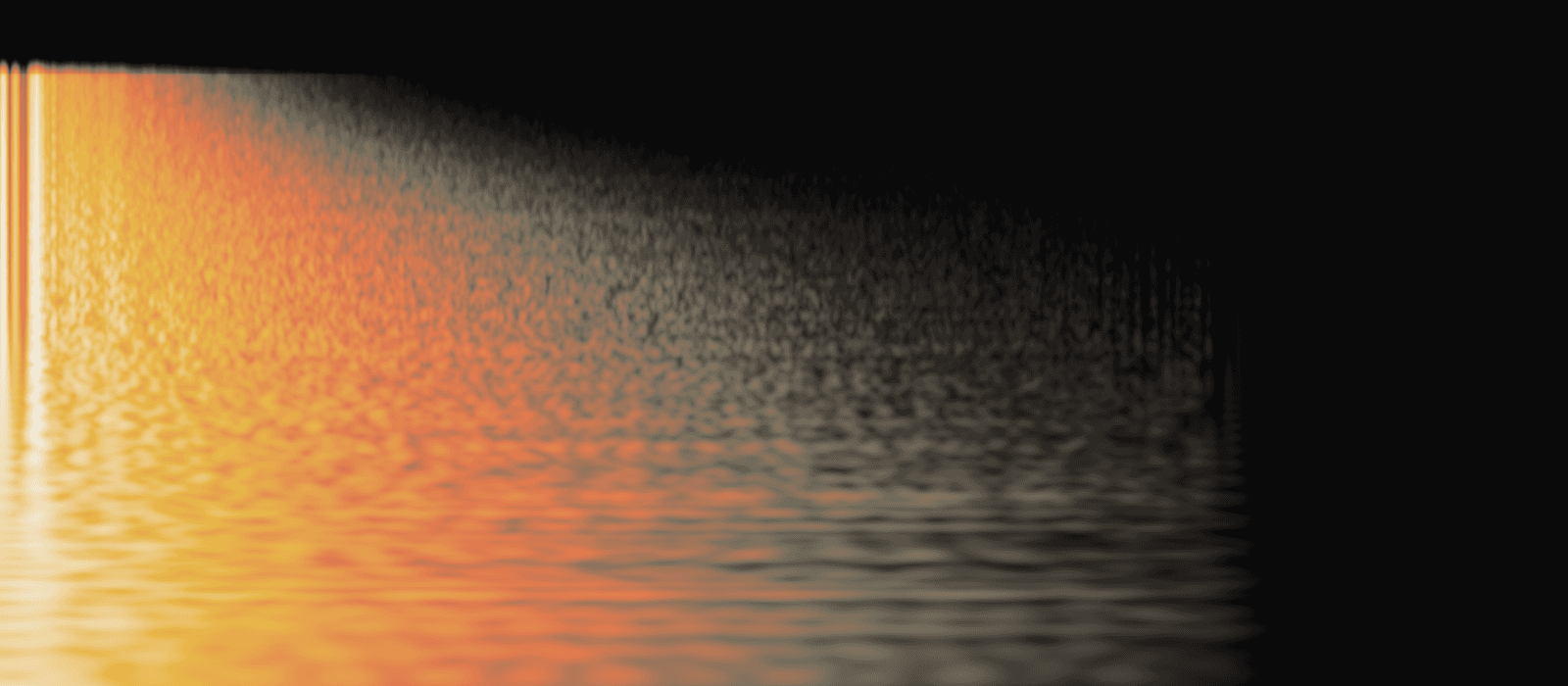
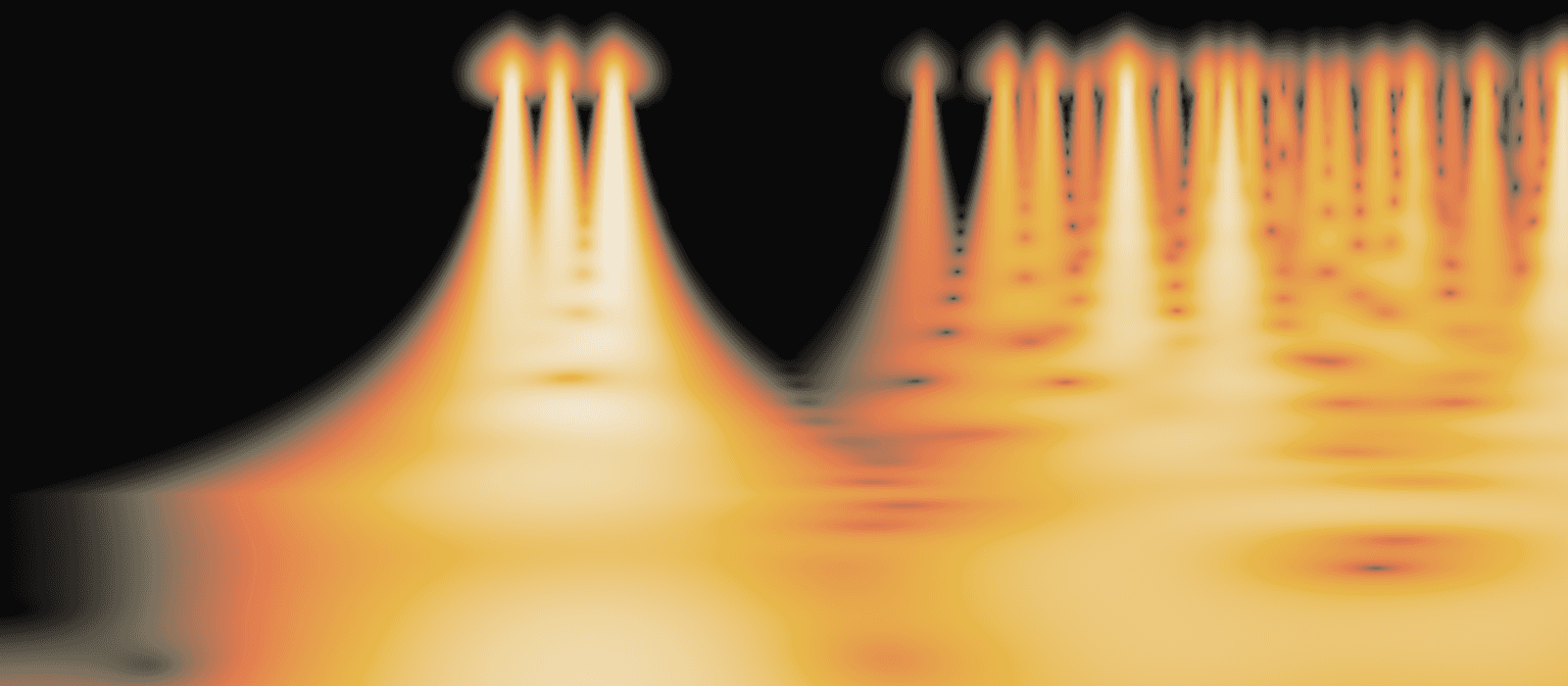
Each picture is one program's response to a single click, at its defaults, with no dry signal. Time runs left to right over four seconds (60 milliseconds for Chorus), frequency upwards from 50 Hz to 16 kHz, and brighter is louder.

  1. Small Hall: spectrogram of its response to a single click

    1Small Hall

    A small concert hall with a moderately dense start.

    Loads with 2.0 s mid, 3.0 s bass, 24 ms, measures 2.15 s at 1 kHz

  2. Vocal Plate: spectrogram of its response to a single click

    2Vocal Plate

    A plate for vocals: a sparse, clear start and open treble.

    Loads with 2.2 s, no predelay, measures 2.32 s at 1 kHz

  3. Large Hall: spectrogram of its response to a single click

    3Large Hall

    The hall network set up for long decays, with separate early echoes.

    Loads with 2.6 s mid, 3.4 s bass, 24 ms, measures 2.79 s at 1 kHz

  4. Chamber: spectrogram of its response to a single click

    4Chamber

    A chamber with a sparse start and a mono input.

    Loads with 2.2 s mid, 2.8 s bass, 25 ms, measures 2.19 s at 1 kHz

  5. Drum Plate: spectrogram of its response to a single click

    5Drum Plate

    Denser from the start than Vocal Plate, with more diffusion in its loop.

    Loads with 2.2 s, no predelay, measures 2.29 s at 1 kHz

  6. Bright Hall: spectrogram of its response to a single click

    6Bright Hall

    Small Hall with gentler treble damping, from 6.6 kHz.

    Loads with 2.0 s mid, 3.0 s bass, 24 ms, measures 2.00 s at 1 kHz

  7. Room: spectrogram of its response to a single click

    7Room

    The hall network scaled down: close echoes and a quick build-up.

    Loads with 1.8 s, 24 ms, measures 1.67 s at 1 kHz

  8. Dense Plate: spectrogram of its response to a single click

    8Dense Plate

    Dense from the first echo, and just as dense as it fades.

    Loads with 1.8 s, 5 ms, measures 1.60 s at 1 kHz

  9. Chorus: spectrogram of its response to a single click

    9Chorus

    Eight moving delays, four per side, and no reverb tail.

    Loads with every voice at 50 %, 12 ms

The eight reverb programs at their defaults

Program

Small Hall

Same drum loop, 30 % Mix, nothing else changed.

Sound and controls

The 1978 engine

20.48 kHz, 12-bit converters

The reverb runs at 20.48 kHz, the rate the original most probably used, behind a steep filter at about 8 kHz. With the damping in the loop, that gives it a darker top. Before each sample the input converter picks one of four gains, 6 dB apart, so its grain rises and falls with the music. Each sample became a 12-bit mantissa with a 2-bit exponent, which is where the name comes from. Inside, the delay memory clips where a 16-bit word would, and lights the Ovfl lamp when it does. With Stepped on, the diffusion gains move in the original's 1/32 steps.

Decay in two bands

Bass and Mid, 0.6 to 70 s

Bass and Mid Decay set the reverb time either side of the Crossover, so a hall can keep its low end without the mids running on. Treble Decay damps the loop, so the tail darkens as it fades. Depth moves the reverb further away without changing its length, and Diffusion goes from separate echoes to a dense wash.

Mode Enhancement and Decay Optimisation

Random-walk modulation

Mode Enhancement moves some of the delays inside the network in small random steps at a constant speed. It breaks up ringing and gives long tails a slow drift that changes direction at random. About a second after the input drops, Decay Optimisation lowers the diffusion in the loop, so the late tail rings less. Both have the original's settings from 1 to 16.

Two eras, or Clean

1978, 1984 or Clean

The 1984 switch runs the same networks at 34.13 kHz with about 15 kHz of bandwidth, after the later revision. Clean takes out the converters, the input transformer, the 16-bit clipping and the noise floor, and keeps the rate and the networks. Drive pushes the transformer and converters harder, or holds them back, and takes the level back off afterwards.

From the later hardware

Size, Definition, Stop Decay

Size scales the whole network from 0.5x to 4x. Definition thins the diffusion inside the loop for a grainier tail. Stop Decay sets a second reverb time for when the input goes quiet, so a reverb can stay short under a busy part and ring on when the part stops.

Predelay in note values

1/64 triplet to 1/4

Hold Shift on the Predelay fader and it moves in straight and triplet notes, keeping to those that fit the program's range. Click the readout to switch between notes and milliseconds. The note follows tempo changes and can be automated.

1978 or 1984

The original sampled at about 20 kHz, so everything above 8 kHz was filtered away before the reverb saw it. The later revision, from about 1983 to 1984, ran the same kind of network at 34.13 kHz with about 15 kHz of bandwidth. Mantissa has both, with the same programs and controls, and Clean to hear the networks without the converters.

Small Hall's response in each era, 100 % wet

Small Hall's response in each era, 100 % wet0-10-20-30-40501002005001k2k5k10k20kHzdB re 1 kHz
197819841978 with CleanPink noise through Small Hall at its defaults, 100 % wet, in sixth-octave bands. The response is 20 dB down at 9.1 kHz in the 1978 era and 16.1 kHz in the 1984 era. Below 8 kHz the two are within half a decibel, and Clean lies on top of 1978. The gentle slope above 2 kHz is Small Hall's treble damping, the same in all three.
Small Hall, four ways

Setting

1978

20.48 kHz sampling, about 8 kHz of bandwidth, 12-bit gain-ranging converters.

Working with Mantissa

56 factory presets

They are grouped by kind (halls, plates, rooms and chambers) and by use (vocals, drums, instruments). Six more use synced predelay, and the Special group holds the Chorus presets, a 70-second hall and a lo-fi plate. The window shows an asterisk once you change anything, and the preset's name is saved with your project.

Eight registers

Press Store and a register key to keep a sound. The registers are shared by every copy of Mantissa on the computer, so a sound stored in one project can be recalled in another.

Save to tape

Save writes your settings as a WAV file of data tones, which you can keep like any audio file or record to cassette. Drag the file onto the panel to load it.

Program changes

With Spill on, a program change lets the old reverb ring on and fade over five seconds while the new one starts. With Spill off, the old program fades out in about 10 ms.

Stepped or smooth

With Stepped on, the decay and filter faders land on the original's 31 settings and the diffusion gains move in 1/32 steps. Turn it off for continuous values and smooth automation.

Bypass in time

Switching In off bypasses the reverb with a short crossfade. The dry signal keeps the reverb's latency, so nothing moves in time when you switch.

Front panel

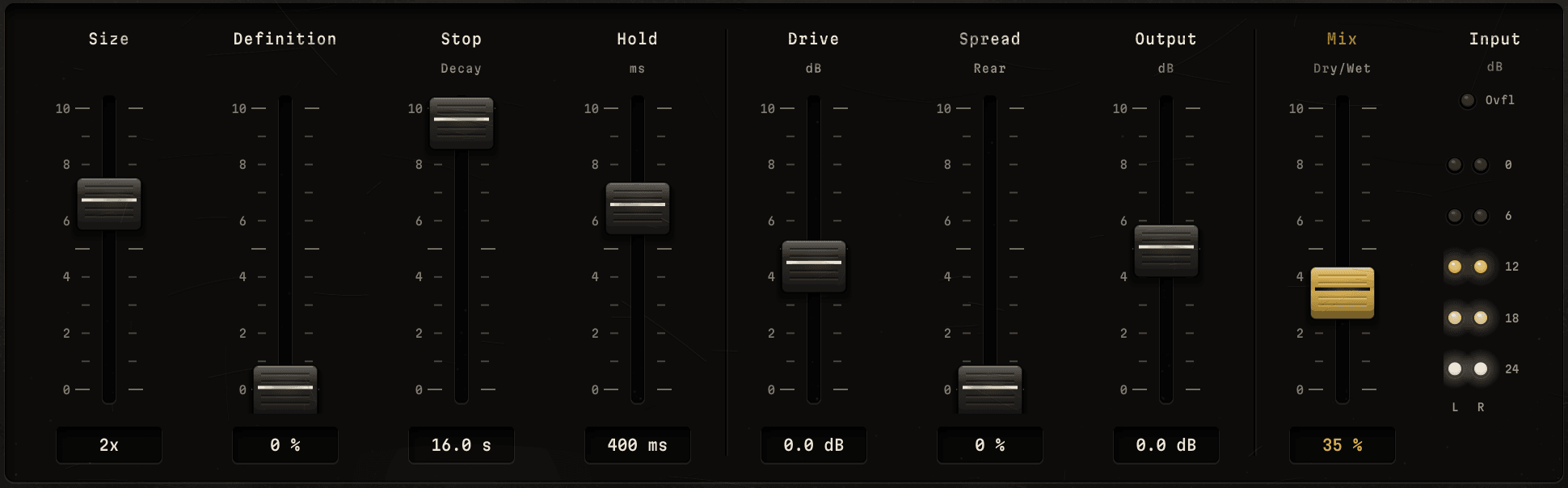
The fader bay on page 2: Size, Definition, Stop Decay, Hold, Drive, Spread and Output, then Mix and the Input meter
Fig. 02 Fader page 2, on the After Hours preset: Large Hall at Size 2x, with a 16-second Stop Decay.

The display shows the program and the last control you moved, then goes back to the reverb time. Preset, register and tape messages appear there too. The Input meter reads the level after Drive in 6 dB steps, with the Ovfl lamp above it.

Page 1 holds the original's six faders (Bass and Mid Decay, Crossover, Treble Decay, Depth and Predelay) and Diffusion, which the original reached with Shift and Depth. Page 2 holds Size, Definition, Stop Decay, Hold, Drive, Spread and Output. Mix stays at the right on both. Double-click or Alt-click a fader to reset it.

Click the name for the mainframe view, with the version and credits. The screw at the bottom right brings back a known fault of the original's final firmware. Read the manual for every range and setting.

Against the original

We built Mantissa from the original's service manual and published papers on networks in its designer's style, then fitted each program's decay, level and tone to renders of a reference. The comparison, card by card and control by control, with the measurements, is on its own page.

Mantissa and the original

Presets56 factory presets, plus your own

  • Basics1
  • Halls8
  • Plates8
  • Rooms and Chambers7
  • Vocals6
  • Drums6
  • Instruments6
  • Synced6
  • Special8

A preset sets every control except In and Spill. User presets are plain XML files you can share.

Specifications

Formats
VST3, AU, CLAP and Standalone on macOS. VST3, CLAP and Standalone on Windows.
macOS
11 or later, Apple silicon and Intel (universal)
Windows
10 or later, 64-bit
Programs
Small Hall, Vocal Plate, Large Hall, Chamber, Drum Plate, Bright Hall, Room, Dense Plate and Chorus
Engine
20,480 Hz (1978) or 34,133 Hz (1984), 16-bit word limits, diffusion gains in 1/32 steps with Stepped on
Converters
12-bit with four-step gain ranging on every sample, or Clean
Decay
0.6 to 70 s, bass and mid separately, in 31 steps or continuous
Predelay
Up to 255 ms depending on the program, or 1/64 triplet to 1/4 at the host's tempo
Inputs
Mono or stereo in, stereo out
Latency
About 3.7 ms, reported to the host
Price
Free